
Strength-Adjusted Timber Mat Selection: Practical Replacement Solutions
Strength-Adjusted Timber Mat Selection: Practical Replacement Solutions – was revised on January 14, 2026
This is Part 2 of a three-part series on right-sizing timber mat purchases. Read Part 1: Introduction.
-
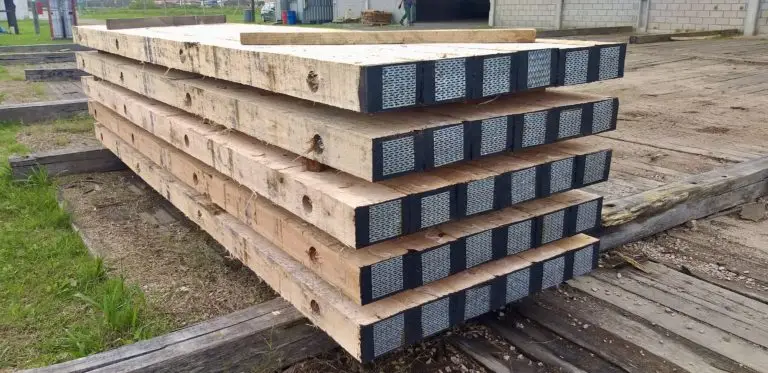
Strength-adjusted timber mat selection allows thinner eucalyptus mats to replace thicker mixed hardwood mats.
-
A 6.75-inch eucalyptus mat equals an 9.5-inch to 12-inch mixed hardwood mat in strength, saving 30+% in material costs.
-
Using strength rather than thickness to specify mats reduces total cost of ownership by 50+%.
Part 1 introduced cost per unit strength as a better way to evaluate timber mat investments. Strength-adjusted timber mat selection takes that concept and applies it to real purchasing decisions, showing how contractors can use fewer, thinner eucalyptus mats while maintaining or improving performance.
Strength Equivalency: Thinner Mats, Same Performance
The fundamental principle of strength-adjusted timber mat selection is simple: eucalyptus wood delivers 200-300% higher bending strength than typical mixed hardwood. That strength advantage allows direct replacement with thinner, lighter mats that meet the same ground-bearing requirements.
Here are practical examples contractors are using today:
Light to medium loads (power line, solar, access roads)
A 6-inch eucalyptus mat replaces an 11-inch mixed hardwood mat. The 6-inch Eucalyptus provides approximately the same bending strength as an 11 inch mixed hardwood mat, meets typical ground-bearing requirements for lighter equipment, and costs less than a mixed hardwood mat but lasts twice as long. These estimates are based on #2 mixed hardwood timbers with bending strength of 550 PSI.
Standard crane support and access roads
A 6.75-inch eucalyptus mat equals an 9-12 inch mixed hardwood mat in strength. Fiber cost savings run about 50% less before considering longer life and lower transport costs. For contractors replacing used mats, the cash-on-cash return exceeds 100+% due to doubled mat longevity.
Heavy lift and crane pads
A 10-inch eucalyptus crane mat matches a 14 to 18-inch mixed hardwood mat for bending strength. Fiber savings reach almost 50%, with additional savings from reduced handling, lower freight costs, and extended mat life.
Total Cost Of Ownership Benefits and Strength-Adjusted Timber Mat Selection
Because economic uncertainty may extend over multiple years, total cost of ownership becomes even more important for mat investments. Strength-adjusted timber mat selection delivers savings in multiple areas:
Lighter weight means lower handling costs: Eucalyptus mats weigh less than mixed hardwood mats of equivalent strength. Every time you move, load, or transport mats, you save money and reduce your cost basis compared to heavier alternatives.
Longer life reduces replacement frequency: Stronger wood resists destruction of all kinds. That includes handling, crushing, splitting, and bolt failures. Extended mat life directly reduces the number of mats you need to purchase over the life of your equipment fleet or project portfolio.
Standardization simplifies logistics: Because eucalyptus mats use uniform plantation timber, every mat performs consistently. No need for custom handling procedures, special inspections, or segregated inventory based on variable quality.
Hard To Quantify Advantages
Two additional benefits of strength-adjusted timber mat selection are difficult to measure but important for contractor safety and reputation:
Reduced risk exposure: Uniform, stronger mats with predictable performance reduce the chance of mat failure, equipment damage, and project delays. Most importantly is lower clean up cost and risk. Lower risk translates to better safety records and fewer owner and insurance claims.
Professional image: Standardized, high-quality mat systems demonstrate attention to detail and commitment to safe operations. That professional image matters when bidding on larger projects or working with quality-focused owners and EPCs.
Applying Strength-Adjusted Timber Mat Selection To Your Fleet
When evaluating strength-adjusted timber mat selection for your operations, consider:
-
Actual load requirements based on equipment weight and ground conditions
-
Documented strength properties from testing or engineering references like the Mobile Crane Support Handbook or the AWC NDS tables.
-
Total cost including purchase price, freight, handling, and expected mat life
-
Risk reduction value from more predictable mat performance
For detailed engineering data supporting these equivalencies, see Part 3: Backup Data.
Ready to explore strength-adjusted options for your next mat purchase? Contact World Forest Group or request a quote to discuss your specific requirement